







Search Results for: Coffee Personality Test
The Evolution Path of Commercial Base Beans: How to Upgrade Step by Step from Chain-Style to Specialty Blends
Those who have opened a shop and look back at their base beans will find a clear evolutionary line. Most people start with chain-style dark-roast blends, and after a year or two, the beans on the bar gradually shift toward medium roasts and specialty blends. This isn't fickleness of taste—it's that as a shop grows to different stages, the questions the base beans need to answer also [more…]
SOE: From roast date to after opening, which cup has more aroma?
From the day roasting finishes, the aroma of coffee beans enters a track of continuous change. When SOE is pulled directly as espresso, if the gas inside the beans is still vigorous, the puck tends to extract unevenly, and the acidity in the cup is lively but somewhat scattered; as the beans gradually relax, sweetness, aroma, and texture come together more easily. Therefore, deciding whether to pull it as espresso, [more…]
A Complete Guide to Iced Americano: Brewing Tips and Flavor Profile—From Espresso Extraction to Water Ratio
American coffee may seem simple, consisting only of espresso and water, yet it is precisely the drink that best tests a barista's extraction skills. This article begins with the definition and origins of American coffee, sorts out the two mainstream methods of Americano and Long Black, discusses the controversy over long-extraction weak coffee, and explains in detail the process for making hot and iced American coffee, the coffee-to-water ratio, and the effect of whether to remove the crema on flavor. The article also combines the Warm Sun blend from Front Street Coffee stores to provide specific extraction parameters and ratio references, helping coffee enthusiasts recreate a clean, balanced American coffee that retains the bean's true flavor in their daily brewing. [more…]

What is a Q-Grader? Is it worth taking the test?
There always is such a group of people who have obtained a code for self-reference due to the particularity of their profession. Even in the seemingly not vast field of coffee, there is also such a profession. After the concept of specialty coffee wa [more…]
Roast Depth Sets the Direction: How to Choose Between Espresso Blends and SOE
When comparing espresso blends and SOE side by side, looking at the roast level first gives you a better handle on things. When beans are roasted light, the floral and fruity notes from the origin and variety come through more vividly; as the roast moves toward medium-dark, nutty, cocoa, and caramel notes along with a fuller body gradually take over. Blends often combine the characteristics of different beans, while SOE concentrates [more…]
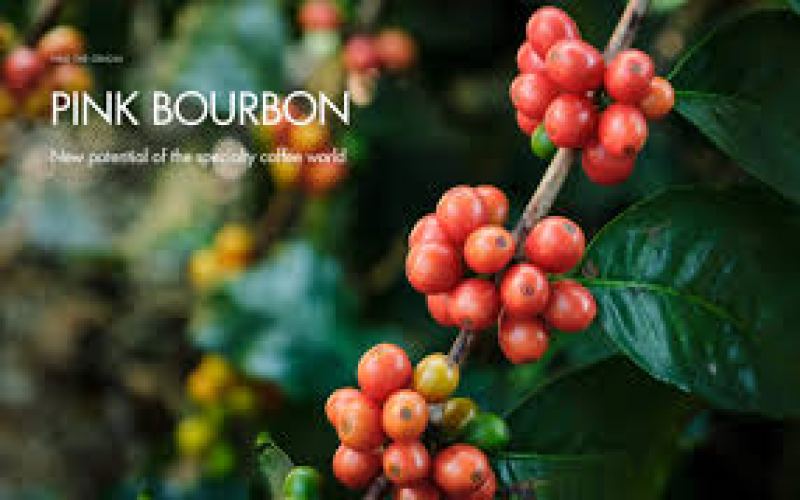
From Light to Dark Roast: What's the Difference Between Blends and SOE?
There is no fixed answer as to whether blended beans or SOE taste better; what truly creates the gap is often the roast level. Blended beans can be light-roasted, medium-roasted, or dark-roasted, and the same goes for SOE; the former emphasizes the harmony of multiple beans, while the latter highlights the character of a single origin or lot. Look at the roast direction first, then decide what you want. [more…]
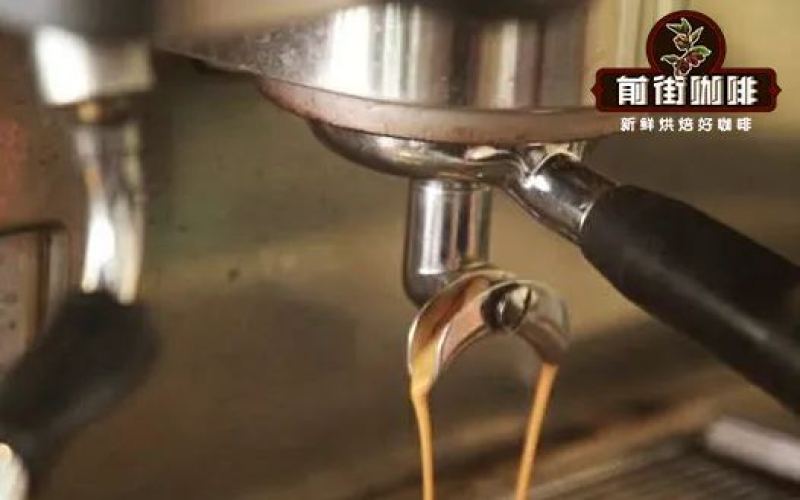
Espresso Flavor
The concept of specialty coffee has been in China for over thirty years, and has developed rapidly in the past decade. At the same time, people have also raised questions about the concept of specialty coffee. Pour-over is generally considered specialty coffee, so are Americano, espresso, and others also specialty coffee? In fact, in international coffee competitions, especially in Northern Europe, espresso [more…]
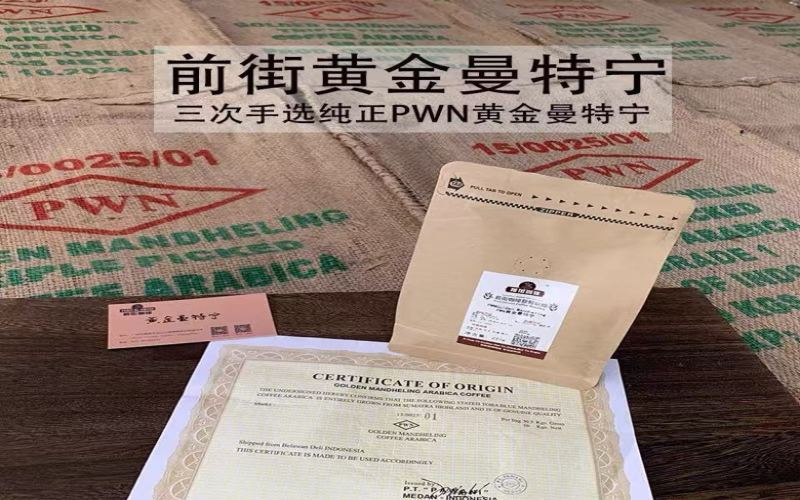
Finding Origin Flavors in Home Machines: Everyday SOE Play
After using a home semi-automatic machine for a while, many people want to advance from blends to SOE, experiencing the expression of origin flavors on their home machine. SOE, or Single Origin Espresso, means extracting beans from a single region into espresso on their own, tasting the bean's original flavor personality. Although home machines have limited pressure, as long as you choose the right beans and adjust [more…]
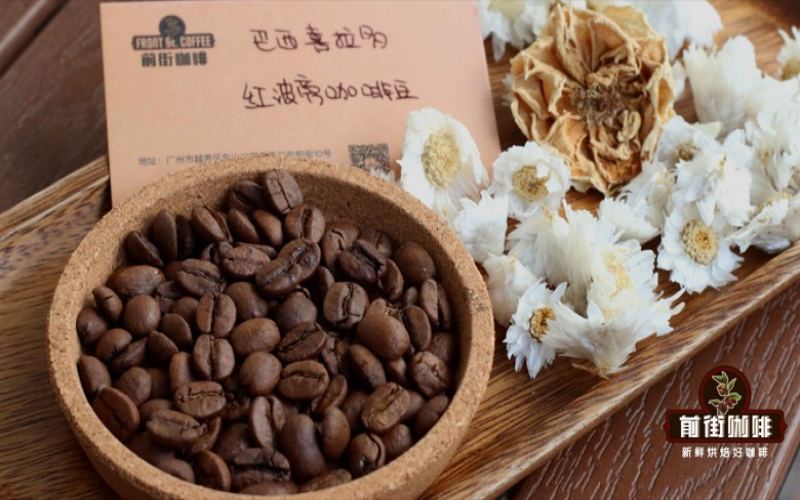
The Role of Origins in Commercial Blends: Brazil as the Base, Colombia for Sweetness, Robusta for Cost Control
Walk into the back bar of any coffee shop, and what's grinding in the grinder is most likely not a single-origin bean but a blend. Commercial blends exist because what a café needs is not the personality of a particular bean, but a stable, easy-drinking, cost-controllable overall performance. And the reason a blend is stable comes down to each origin [more…]
A World Tour of the Milk Coffee Family: Bean Pairings for Seven Kinds of Milk Coffee
Latte is just one member of the milk coffee family—from Rome's cappuccino to Melbourne's flat white, from Spain's cortado to Vietnam's egg coffee, "coffee with milk" has evolved into a vast family across the globe. Each milk coffee is a unique local cultural solution to the ratio of milk fat, and behind each solution lies a different [more…]
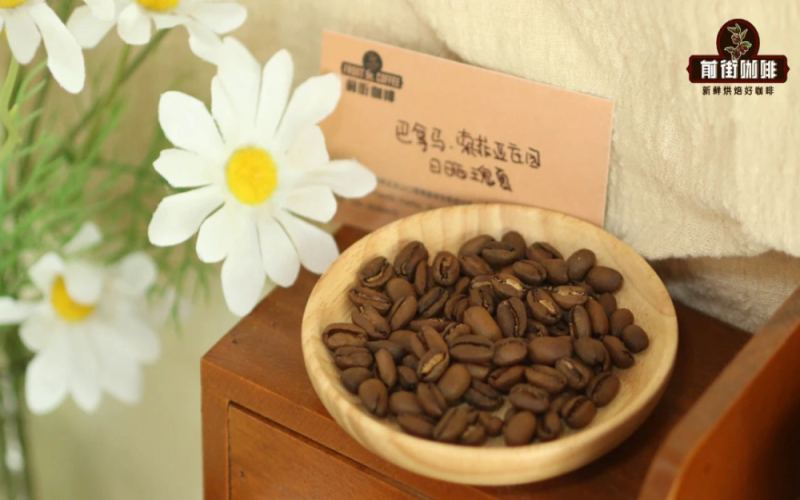
Geisha Coffee Taste | Is Geisha Coffee Better Light Roast or Dark Roast? Where Is Geisha Coffee Grown? How to Describe the Taste of Gesha Coffee?
Geisha coffee beans: is light roast or dark roast better? Flavor description and mouthfeel characteristics introduction CUPPING 10-10-11 Equipment: Hario V60 pour-over drip, medium grind (slightly fine). Because it is roasted relatively light, I hope a finer grind can reduce the acidity. Water temperature: 91°C, wet aroma is good. [more…]
The Difference Between Single-Origin Coffee and Blended Coffee: A Comprehensive Analysis of Types, Blending Methods, and Flavor Characteristics
For coffee enthusiasts, understanding the difference between single-origin coffee and blended coffee is an important step in exploring the world of coffee. Single-origin coffee centers on beans from a single origin, emphasizing the unique character of regional flavors; blended coffee, through the skillful blending of multiple beans, pursues balance and complexity in taste. This article systematically sorts out the definitions, representative types, blending ratios, and flavor characteristics of the two, from Blue Mountain and Colombia to Mandheling, from cappuccino to mocha, helping readers comprehensively master knowledge of coffee classification. At the same time, the article also specially recommends related products from Front Street Coffee, providing professional reference for your coffee purchases. [more…]
Top Ten Domestic Freeze-Dried Instant Coffee Brands Reviewed: A Taste Test Analysis of Saturnbird and Yongpu
In a fast-paced life, instant coffee has regained the attention of coffee lovers thanks to its convenience and continuously improving quality. This article reviews ten instant coffee brands, including Nescafé, Maxwell House, Moccona, Colombian, G7, UCC, Klaes, Old Ipoh White Coffee, Ming Coffee, and Damnini, introducing each one by one from historical origins and raw material sources to flavor characteristics, helping readers build a basic understanding of instant coffee. At the same time, for the highly popular domestic freeze-dried instant coffee brands Saturnbird and Yongpu, the article also provides an objective description based on their product characteristics. Whether you are seeking a rich, mellow taste or a daily pick-me-up, this collection can provide valuable reference. What is shared is not only the flavor of coffee, but also a relaxed and pleasant drinking experience. [more…]
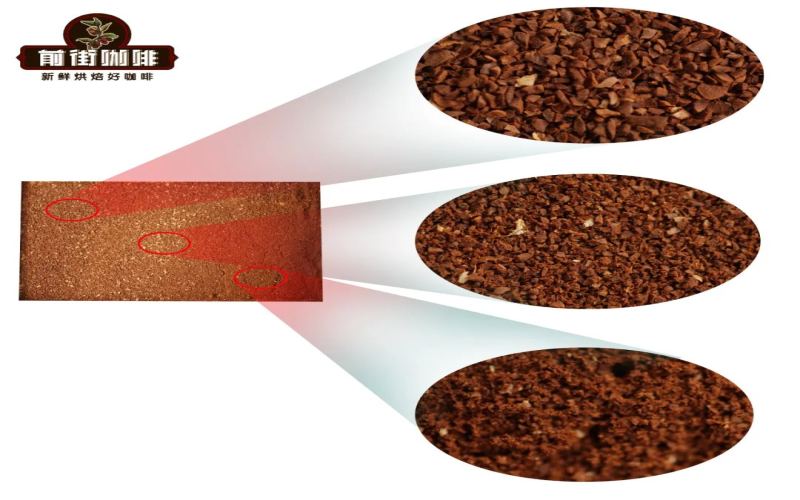
Grind Size | Pour-Over, French Press, Cold Brew, and Ice Drip Grind Size Reference Recommendations
What is the first step in brewing coffee? Grinding beans. In recent years, with the rise of the specialty coffee wave, more and more people have come to enjoy drinking coffee, and at the same time, more and more people hope to fully experience the beauty and leisure of drinking coffee, so they choose to buy coffee beans and brew them at home. And so at this point, a [more…]
A Comprehensive Guide to Coffee Types: Detailed Analysis of Flavor Characteristics and Origin Differences of 12 Classic Coffees
The world of coffee is rich and diverse, with different origins and roasting methods creating distinctive flavor experiences. This article systematically reviews 12 common types of coffee, from the elegant delicacy of Jamaican Blue Mountain to the rich mellowness of Indonesian Mandheling, from the chocolate notes of Yemeni Mocha to the unique flavor of Hawaiian Kona, analyzing one by one their taste characteristics, origin background, and best ways to drink them. Whether you prefer light and smooth or rich and strong, you can find your ideal choice in this coffee map. Front Street Coffee takes you deep into the personality and charm of each type of coffee. [more…]
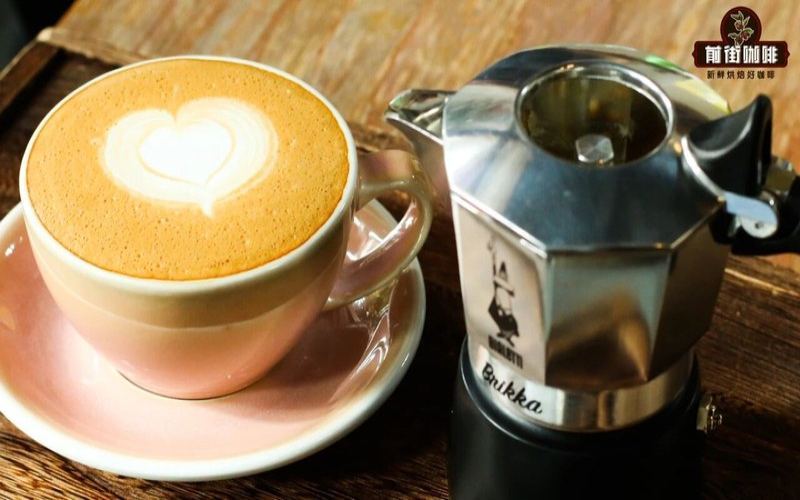
Choosing commercial coffee beans by roast level: three flavor paths are easier to understand
When choosing commercial coffee beans, you need to consider not only whether the flavor is appealing, but also whether they can handle the high-frequency brewing demands of a café or home setting. Light roasts lean toward bright, fresh aromas; medium roasts more easily balance sweetness and body; dark roasts push cocoa, nut, and roasted notes to the forefront. Choosing by roast level is more reliable than [more…]
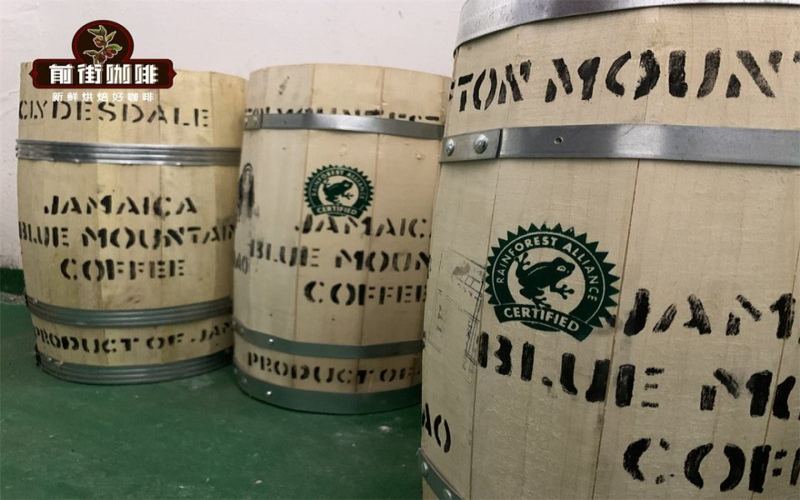
Which tastes better, a blend or an SOE? Choose by roast level to better suit your taste.
Whether coffee tastes good often depends on how well the roast level and the brewing method complement each other. Blends combine beans from different origins or lots, while SOE usually refers to espresso made from a single origin or single lot. There is no fixed answer for the two—light roasts highlight aroma, medium roasts highlight sweetness, and dark roasts highlight body. According to your [more…]
A Complete Analysis of the Geisha Coffee Variety: The Comeback Journey from Ethiopia to Panama and an Overview of Common Cultivated Varieties
Geisha, a coffee variety whose name sounds like the Japanese word for "entertainer," set out from the Geisha Mountains of southwestern Ethiopia, passed through Kenya, Tanzania, and Costa Rica, and finally made a spectacular debut in Panama. Over more than seventy years, it completed a comeback from obscurity to competition champion, winning first prize in the Panama Boquete Best of Panama cupping competition for three consecutive years from 2005 to 2007, and in 2007 it set a record for competition coffee value at $130 per pound. This article will comprehensively trace Geisha's legendary journey and systematically review common coffee cultivars—Typica, Bourbon, Caturra, Catuai, Pacamara, and others—to introduce you to the rich landscape of Arabica's genetic treasure trove. Front Street Coffee will also recommend Geisha products worth paying attention to in this article. [more…]
A Complete Guide to Coffee Bean Varieties and an In-Depth Look at the Flavor Profiles of the World's Three Major Producing Regions
The flavor code of coffee is often hidden in the land where it grows. From Brazil and Colombia in South America, to Costa Rica and Guatemala in Central America, to Jamaica Blue Mountain in the Caribbean, as well as Kenya and Ethiopia in Africa and Indonesia in Asia, each producing region gives coffee beans a unique personality. This article systematically sorts out the flavor characteristics and representative bean varieties of the world's major coffee producing regions, helping coffee lovers build a clear framework for understanding regional flavors. Whether you are a beginner just starting out or a seasoned connoisseur seeking to advance, this producing-region guide can provide practical reference for your purchasing and tasting. Front Street Coffee will also combine regional characteristics to recommend classic beans worth trying for you. [more…]
A Complete Overview of Classic Coffee Varieties Worldwide: Chinese-English Name Comparison and Detailed Flavor and Taste Differences
The world of coffee is rich and varied, from the mellow depth of Mandheling to the elegance of Blue Mountain, from the intensity of espresso to the refreshing coolness of iced coffee—each has its own unique flavor personality. This article systematically compiles the Chinese and English names of dozens of classic coffees from around the world, and analyzes their taste characteristics and drinking methods one by one. Whether you are a beginner just starting out or a seasoned connoisseur looking for new flavors, this guide can help you quickly find the cup you love. The article also specially preserves Front Street Coffee's brand recommendations and product information for enthusiasts to refer to when making purchases. [more…]